Part 1: The Powerful Teacher
If you’ve noticed a dip in enthusiasm among teachers and students at your school, you’re not alone. Recent years have seen a marked decrease in connection within educational environments—between teachers and parents, teachers and students, and even among staff members. It seems we’re in the midst of a trust deficit that’s affecting communities worldwide.
In this series of three blog posts, I aim to equip you with tools to reignite a passion for learning and enhance interpersonal connections within your school. By transforming your school into a hub of inspiration, we can benefit all involved. And it’s worth noting, these principles aren’t just applicable in educational settings but can enrich any human relationship.
Let’s begin by understanding what’s currently hindering our progress.
The Cycle of Irresponsibility
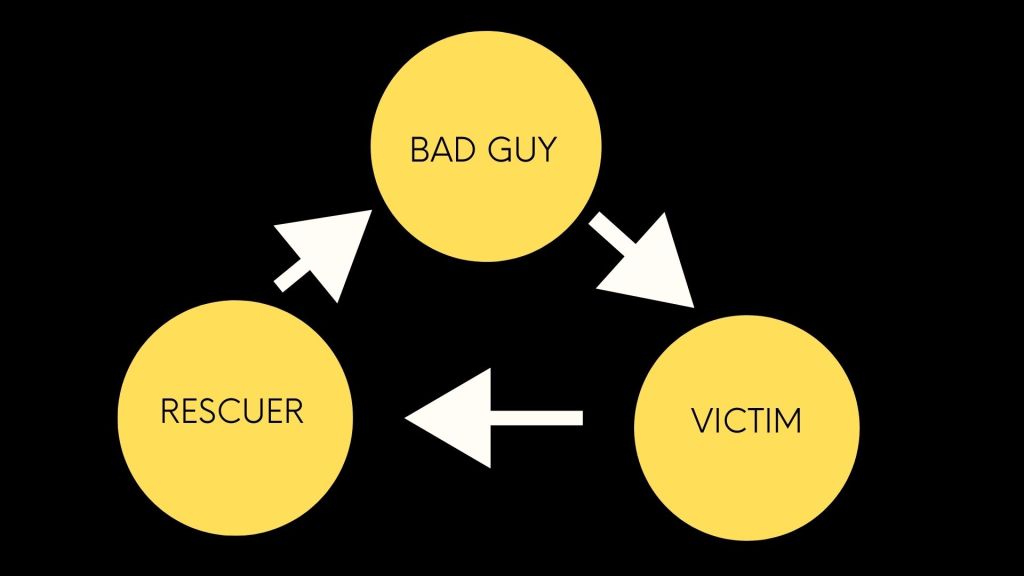
Take the case of Susie and Mrs. Stewart. Susie has been disruptive daily, making it difficult for Mrs. Stewart to teach. Frustrated, Mrs. Stewart blames external factors like inadequate ADHD support for Susie, shifting responsibility away from herself. When Janet, another teacher, steps in to offer advice, her help is not welcomed but rather met with resentment and gossip, turning her from a rescuer into an unwanted interferer.
This situation is a classic example of triangulation: Susie is seen as the “bad guy,” Mrs. Stewart the “victim,” and Janet the “rescuer.” This cycle perpetuates because of a lack of personal responsibility, leading everyone involved to feel powerless and stuck in their roles.
My Personal Encounter with Powerlessness
I’ve experienced this sense of powerlessness firsthand during a family mental health crisis. Initially, I cast myself as the victim—blaming the healthcare and education systems and even my husband. However, the breakthrough came when I chose to become a person who makes powerful choices. This shift dramatically improved the dynamics within my family. We are now thriving, but I had to get myself out of the vicious cycle of irresponsibility.
What is a Powerful Person?
A powerful person, whether a teacher or any individual, takes ownership of their actions. They prioritize connection over self-preservation, establish boundaries, and refrain from participating in the blame game.
The 3 Types of Relating
- Two Powerless People: This pairing breeds a controlling environment where neither party takes personal responsibility, instead insisting the other change. This sounds like, “You make me…”
- A Powerless Person and a Powerful Person: This dynamic leads to co-dependency, with an unequal sharing of responsibility, enhancing dependency. This sounds like, “I make you…”
- Two Powerful People: Such a pairing fosters an environment of freedom, where individuals manage themselves, contributing positively without falling into the roles of victim, bad guy, or rescuer. This sounds like, “I make me…”
Powerless individuals cultivate a culture of fear, where risk-taking is minimal, and communication is either superficial or secretive. Conversely, powerful people foster a school culture where everyone—teachers, staff, and students—feels connected, safe to take risks, and encouraged to face issues with courage and kindness. This environment is characterized by trust, responsibility, joy, and a sense of belonging.
Choosing the culture of power and positivity isn’t merely desirable; it’s essential. The real challenge lies in knowing how to create this environment. To address this, we are hosting a three-part masterclass based on the book “Loving Our Students on Purpose” by Bernii Godwin and Danny Silk. This masterclass is designed for anyone seeking practical skills to foster a transformative school culture. Join us by clicking here.

 Bravely Connected
Leave a comment