
I’ve had a recurring dream since I was a teen of being humiliated on stage. It’s a deep-rooted fear of mine. Recently, I did something that unintentionally hurt a group of people, and it brought me right back to that dream. I felt exposed, like everyone could see my weakness. I spiralled into negative self-talk, thinking, “This is why you should just stay home rather than put yourself out there.”
Have you ever felt this way?
What made this situation particularly tough was that the hurt was completely unintentional. I felt blindsided because my intention was to do good. When I realized it caused harm instead, it felt like a blow to the heart. My intention didn’t align with its perception, which is a common cause of trouble in our relationships. Even with the best intentions, if we don’t consider how our actions are perceived by others, we can create ruptures.
That’s what I did—I created a rupture. I want to walk you through the steps I took to move from self-preservation to repairing what was broken.
Self Preservation Tactics
- Defence: Saying, “What’s your problem? Can’t you see I’m doing my best here?”
- Gaslighting: Saying, “Oh don’t be so sensitive. You’re making a big deal out of nothing.”
- Avoiding: Ignoring the situation and the people involved, running away, ghosting, or not responding.
- Lying: Telling untruths or white lies to avoid looking bad, getting in trouble, or hurting someone’s feelings.
Here’s how I moved past typical self-preservation tactics towards repair:
To clarify, I didn’t experience all of these tactics, but this scenario reminded me of all the ways we express self preservation. Here’s what I did.
- Acknowledge Your Feelings: I had to recognize and make sense of how the situation impacted me. Avoiding vulnerable feelings keeps us in self-preservation mode, preventing connection. Emotions like embarrassment, humiliation, and shame prefer to stay hidden. It’s hard to feel shame because we go through the “I SUCK” stage to move past it. Remember, you’re not stupid, you don’t suck—you just did something that impacted someone else. It happens to everyone. It doesn’t mean there’s something wrong with you.
- Empathy and Connection: Once we acknowledge our hard feelings, we can move towards empathy. This helps us get through feeling exposed and truly see those we’ve impacted, making the brave choice to turn towards them rather than hide or run away. That is connection, and it’s brave.
- Give It Space: Sometimes it’s best to give the situation a little space. While I prefer to address relational ruptures immediately, sometimes the impact needs time to settle. Rushing to repair can make things worse. Taking time to acknowledge the impact and our role in it is a great initial step, followed by patience in restoring the relationship.
- Accepting the Outcome: Understand that you can do everything possible on your end to repair the relationship, but it doesn’t guarantee repair. This is hard because no one wants relationships to stay ruptured, but you only control your actions. After you’ve done your part, you must leave it in the hands of others to decide what they will do and find peace with that.
Where this came from
I wrote about the concept that resilience comes from the repair in my book, Bring Them Closer. It came from a time in when our family was experiencing years of rupture. I read a book called, “Loving Your Kids On Purpose” by Danny Silk and started to learn the difference between behaviour management and connection. It rocked my world and made an enormous difference in our home. I then read, “Loving Your Students on Purpose” which is the version for schools and fell in love with how we can move from behaviour management to behaviour education – repair being one of the principles.
We are hosting the last session of a free 3 part masterclass this week. If you would like to join to see how we can create repair in a school setting, you can join us by clicking here. If you want to watch the recap from week 1 click here, which is all about not allowing others to impact you, and week 2 which is about moving to a more effective way to work with behaviour.
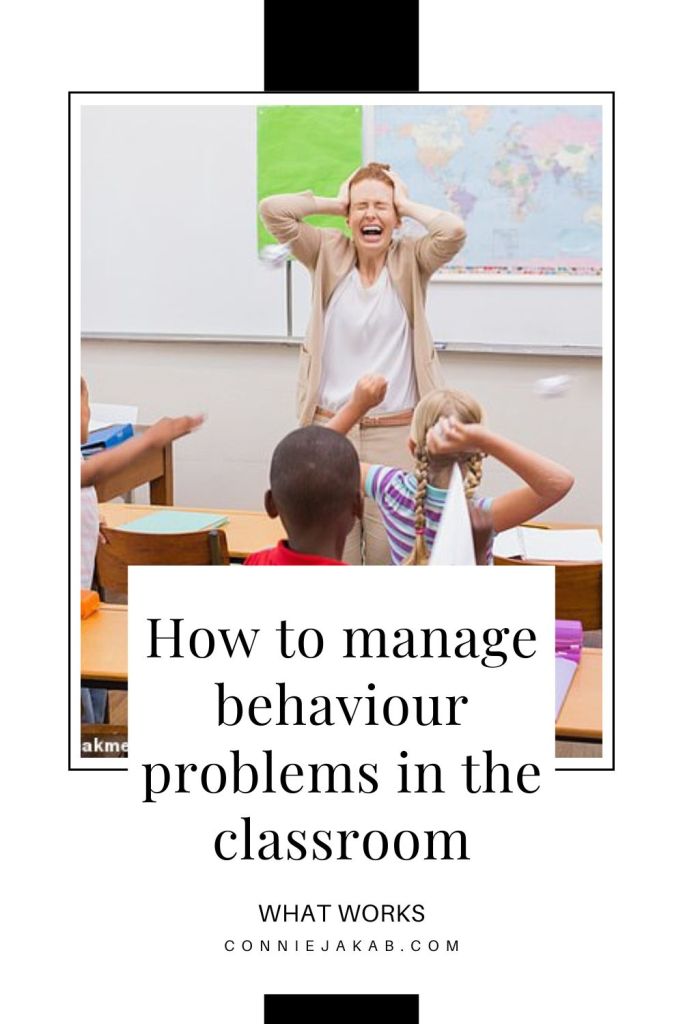
Watch or listen to, “How to Manage Behaviour Problems in the Classroom”.
Keep being brave to lean into repairing ruptures rather than running from them.

 Bravely Connected
Leave a comment